


Dried Sardinian bay leaves
Dried bay leaves are a classic aromatic botanical of the Mediterranean tradition, used for centuries for their intense, long-lasting aromatic qualities.
Harvested in Sardinia and carefully hand-selected, our bay leaves are intended for professional applications in distillation, liqueur making, herbal preparations, and artisan aromatic processing.
Explore all available botanicals
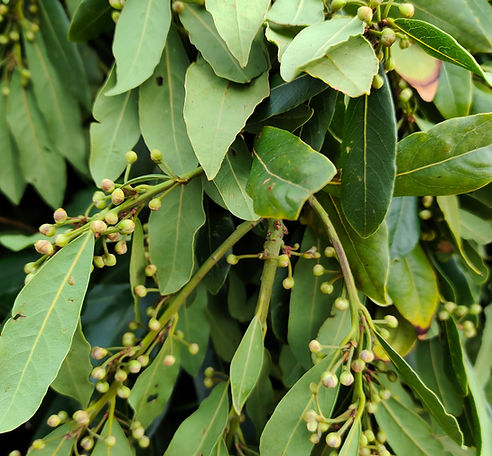
Origin and harvesting of laurel in Sardinia
Bay laurel grows wild across various areas of Sardinia, where the Mediterranean climate and pristine natural environments contribute to leaves rich in essential oils and aromatic compounds.
The leaves are harvested by hand, selecting only mature, intact leaves. They are then naturally dried to preserve their aromatic profile as effectively as possible.
The result is a clean, intense, and stable raw material, suitable for professional applications.
Flavor profile of bay leaves
Dried bay leaves have a warm, balsamic, and subtly spiced aromatic profile.
The main notes are balsamic, herbal, and slightly pungent, with subtle resinous nuances.
In distillation, they contribute structure and depth without overpowering other botanicals, helping to support and enhance the overall aromatic profile.

available formats

Dried bay leaves
The dried leaves are used in distillation, infusions, macerations, and professional aromatic preparations.
Slow drying helps preserve the plant’s natural aromatic profile while maintaining its intensity and stability over time.

Dried Laurel Powder
Bay leaf powder is produced by grinding dried bay leaves.
This format is particularly suitable for:
-
natural cosmetic formulations
-
herbal blends
-
aromatic preparations
-
artisan applications requiring a fine, uniform particle size
Bay laurel essential oil has a balsamic, spiced, and long-lasting aromatic profile.
It can be used in:
-
natural cosmetics
-
botanical perfumery
-
artisan soaps
-
professional aromatic formulations


laurel hydrolate
Bay laurel hydrosol is a gentler aromatic preparation of the plant, characterized by fresh, herbal notes.
It is mainly used in:
-
natural cosmetics
-
light aromatic preparations
-
botanical formulations
professional uses of laurel
Bay leaves are used in various professional fields thanks to their aromatic versatility and strong Mediterranean identity.

Distillation and liqueur making
In gin, bitters, and botanical liqueurs, bay laurel contributes aromatic structure and balsamic depth.
It can be used:
-
in maceration
-
in infusion
-
in distillation alongside other Mediterranean botanicals
Its aromatic profile pairs particularly well with juniper, citrus, myrtle, rosemary, and immortelle.

Herbalism
Dried bay leaves are used in:
-
herbal infusions
-
botanical preparations
-
aromatic blends
-
traditional herbal preparations

Natural cosmetics
Bay leaf powder, essential oil, and hydrosol can be used in:
-
artisan soaps
-
aromatic oils
-
botanical formulations
-
botanical cosmetics
Laurel for distilleries and distillation projects
Bay laurel is increasingly used in craft gins and botanical spirits seeking distinctive, Mediterranean-inspired aromatic profiles.
Its balsamic and herbal notes contribute to creating structured, complex spirits with a strong sense of place.
We Supply Dried Bay Leaves To:
-
distilleries
-
craft laboratories
-
experimental projects
-
small-scale producer
Available options include:
-
samples for aromatic testing
-
small quantities
-
ongoing supply
We are available to work directly with businesses looking to use wild botanicals and raw materials rooted in the Sardinian territory.

supplies and availability
Our botanicals are intended for professionals, laboratories, and businesses looking for natural raw materials and artisan processing.
You can request:
-
information on available quantities
-
samples
-
custom supply solutions
-
details on available formats

Botanical insights
Learn more about the
botany of laurel
Bay laurel is a plant deeply rooted in Mediterranean tradition, valued for centuries not only for its aromatic qualities but also for its symbolic and cultural significance.
In our blog, we explore its history, traditional uses, and fascinating insights into this wild Sardinian botanical.